
Pest Control leads.
One-time treatments and recurring service plans
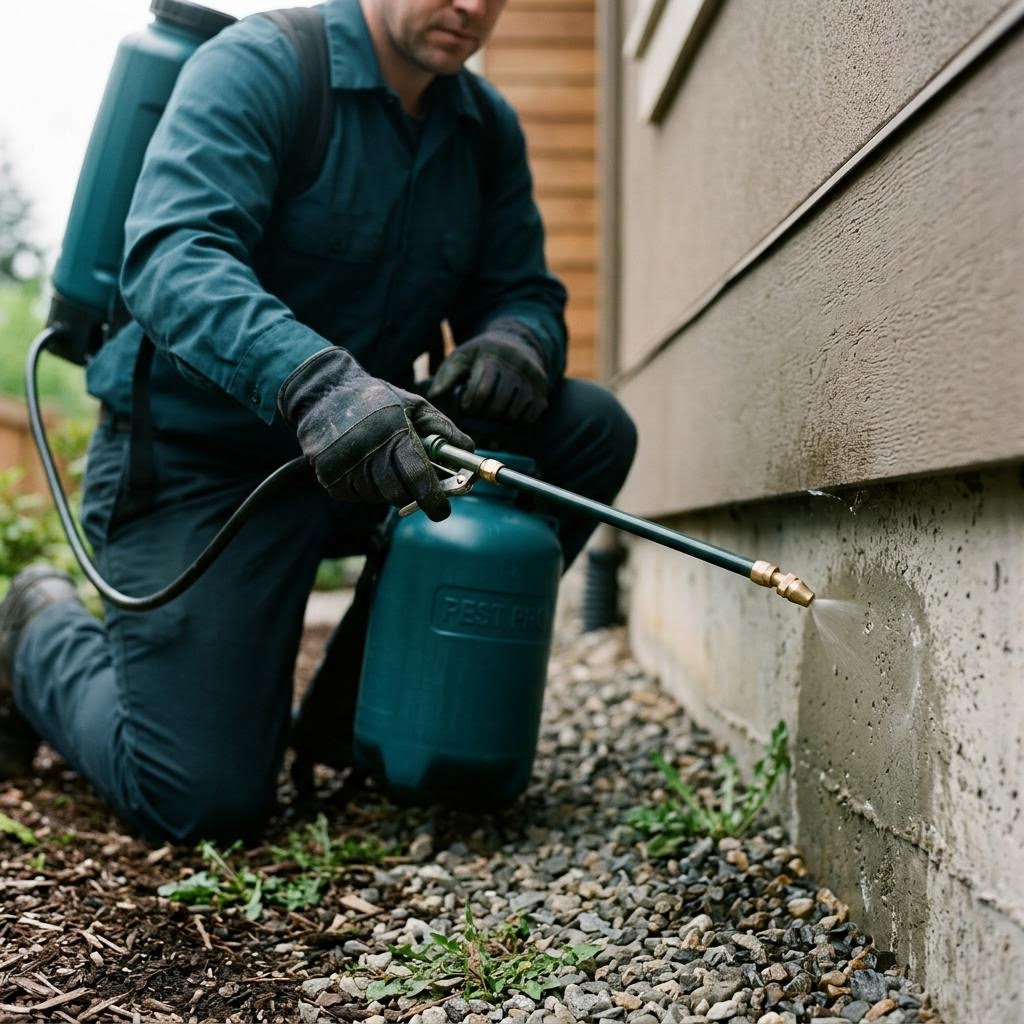
Pest control demand comes from active infestations and ongoing prevention plans. AIM connects providers with homeowners seeking treatment and service agreements. Prospects are filtered by pest type and service area.
Why pest control leads convert.
Pest problems create immediate discomfort and urgency, which pushes homeowners to act quickly and hire responsive providers. Active infestations, from rodents and termites to ants and bed bugs, rarely tolerate delay, so first contact matters.
Beyond one-time treatments, pest control is one of the strongest recurring-revenue categories in home services because prevention plans convert single jobs into ongoing relationships. That lifetime value makes each acquired customer significant, even when the initial ticket is modest.
Seasonal cycles also drive predictable surges that reward buyers who scale coverage accordingly. AIM emphasizes fast delivery and clear qualification so providers can win urgent treatments and, from there, grow durable service subscriptions.
What a qualified pest control prospect looks like.
- A qualified prospect is a property owner or resident with an active pest concern or interest in a prevention plan within the provider's service area.
- AIM works to confirm the pest type, the severity, and whether the request is one-time or recurring.
- Prospects describing a specific problem and a desire to schedule signal strong intent.
- For inbound calls and warm transfers, qualification checks that the request matches the provider's services and coverage.
- Capturing pest type and urgency early lets providers assign appropriate technicians, prepare treatment plans, and position recurring service where it fits.
How AIM routes and qualifies pest control demand.
Pest control prospects are filtered by pest type, geography, and schedule before delivery. Form-fill leads are validated and deduplicated, while calls and warm transfers must meet a minimum billable duration and qualification criteria to count. Routing honors each provider's service radius, budget, and hours so demand reaches teams ready to schedule. Exclusive delivery reserves a prospect for one buyer, while shared and bidding configurations distribute by campaign priority. Because infestations are time-sensitive, AIM's real-time routing helps providers respond promptly and secure the appointment.
Pricing model overview.
Buyers can choose fixed pricing for predictable acquisition cost or custom bidding to prioritize high-demand seasons and markets. Available campaign options may include exclusive form-fill leads, qualified inbound calls, warm transfers, and scheduled appointments, blended to capture both urgent treatments and recurring-plan prospects. Fixed pricing supports steady budgeting, while bidding rewards providers who convert and retain efficiently. Budget caps, geographic targeting, and scheduling give precise control. AIM's team helps configure the model around a provider's service plans and technician capacity.
Fixed pricing
Stable per-lead or per-call economics for predictable budgeting and steady planning across your markets.
Custom bidding
Compete for priority in high-value or surge markets — efficient closers capture more share when demand spikes.
How pest control demand reaches you.
Filtered to your campaign
Every pest control prospect is matched against your geography, schedule, and qualification criteria before delivery.
Delivered in real time
Leads, calls, and transfers route to your team the moment intent is confirmed — while the prospect is still engaged.
Documented consent
Consent records travel with every delivery, so your compliance review has what it needs from day one.
“The consent documentation on every lead makes our compliance review painless. That alone set AIM apart from other networks we've used.”
Start buying pest control leads.
Talk to an acquisition strategist about availability, pricing, and the right product mix for your markets.