
Home Security Leads: Selling Peace of Mind in a Competitive Category
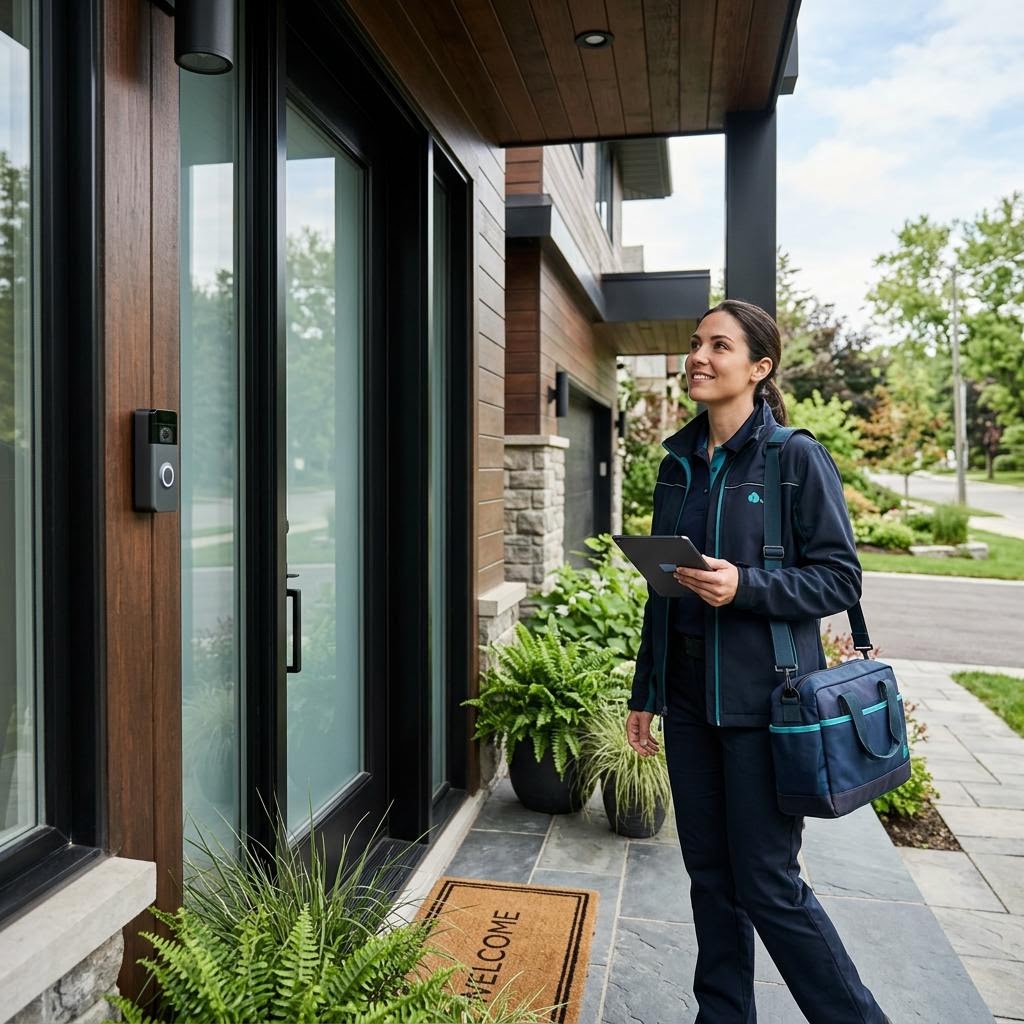
Home security is one of the most competitive lead categories in home services, and it runs on a subscription model. The equipment and installation are a small part of the picture; the real value is the monitored account that pays a monthly fee for years. That economics, combined with a crowded field of national brands, regional players, and DIY options, makes disciplined lead buying essential. The operators who win are those who buy against lifetime value, respond fast to genuine concern, and convert leads into monitored accounts that stick. This guide covers how.
The subscription economics come first
Home security is a recurring-revenue business wearing a home-services coat. Price your lead budget accordingly.
| Element | One-time view | Subscription view |
|---|---|---|
| Equipment and install | Small margin | Entry point to the account |
| Monthly monitoring | Overlooked | The real long-term revenue |
| Acceptable cost per lead | Low | Meaningfully higher |
| Growth | Flat | Compounding recurring book |
A monitored account earning a monthly fee over several years is worth many times the initial sale. If you evaluate leads only by the first transaction, you will underspend and cede ground to competitors who understand the lifetime value. Anchor your cost-per-lead ceiling on the account you can realistically retain.
What makes a strong lead
Home security demand is often triggered by a specific event or life change. Screen for signals that indicate genuine, near-term intent.
- Homeownership or authority to install: A hard requirement for a monitored system.
- A trigger event: A break-in nearby, package theft, a new-home purchase, or a safety concern.
- Willingness to pay for monitoring: The difference between a DIY dabbler and a subscription customer.
- Reasonable timeline: Someone acting now, not researching for a distant future.
Leads carrying a fresh trigger event convert best, because the concern that prompted the inquiry is still front of mind. Speed matters enormously here, because that concern fades.
Speed to lead wins in a crowded field
When a homeowner requests information after a scare, they often contact several providers. The first credible one to respond frames the decision. In a category this crowded, response speed is a genuine competitive advantage.
Five minutes for form leads
Reach form-fill leads within five minutes with a live person who can speak to the specific concern. A delayed callback loses the homeowner to a faster competitor.
Match capacity to enrollment volume
Fast response only helps if you can install and activate promptly. An enrolled account that waits too long for installation can cancel before it ever generates revenue. Tie your lead spend to installation and activation capacity so enrollments turn into active, paying accounts quickly.
Treat calls and transfers as live enrollments
Inbound calls and warm transfers connect you to a homeowner already engaged and, in the case of transfers, pre-screened. These convert faster because the person is on the line and ready to talk. Have trained staff prepared to enroll, not just to schedule a callback.
Standing out without the hard sell
Home security has a reputation problem in some circles because of aggressive, high-pressure sales tactics. That works against you when a wary homeowner picks up. The operators who convert best in this environment do the opposite: they lead with the specific concern, explain monitoring and contract terms plainly, and let clarity build trust.
- Address the trigger event directly. If package theft prompted the call, talk cameras and alerts.
- Be transparent about contract length, monitoring fees, and what happens after the term.
- Avoid pressure tactics that spike cancellations and complaints later.
Transparency is not just ethical; it protects retention, which is where your lifetime value lives.
A checklist before you buy
- I price acceptable cost per lead from monitored-account lifetime value.
- I screen for homeownership and authority to install.
- I prioritize leads with a genuine trigger event.
- I have a five-minute response standard for form leads.
- I use warm transfers and inbound calls for faster enrollment.
- I track enrollment rate and retention by lead source.
Life events open the door
Beyond a scare, many home security decisions are driven by life events. A new-home purchase, the arrival of a child, an adult child heading to college, or aging parents moving in all shift how a household thinks about safety. Leads tied to these moments carry durable, considered intent rather than a fleeting reaction.
Recognizing the life event behind a lead lets you tailor the conversation and position the right products. A new homeowner cares about a complete system for an unfamiliar property; a family focused on children may value interior sensors and app access; someone caring for an older relative may want fall-related and remote-monitoring features. Matching the solution to the moment converts more leads and builds accounts that stay, because the system is solving a problem the household genuinely cares about.
Exclusive versus shared leads
Shared leads pit you against several providers racing to the same homeowner, often turning the conversation into a price and pressure contest that hurts retention. Exclusive leads let you build trust and enroll without that race, which matters in a category where account longevity is everything. Given how much a retained monitoring account is worth, the higher enrollment and retention rates from exclusive leads and warm transfers usually justify the cost.
Bundling and smart-home upsells
Modern home security is increasingly a smart-home conversation. Video doorbells, cameras, sensors, and automation give you natural ways to raise the value of each account and deepen the customer's investment in staying. A homeowner with a fully connected system is far less likely to cancel than one with a basic panel.
When you convert a purchased lead, look for the second and third product that fits the concern that brought them in. A package-theft worry opens the door to doorbell cameras and porch monitoring; a family-safety concern opens the door to interior sensors and app access for multiple users. These upsells raise lifetime value, which in turn raises what you can profitably pay to acquire the lead in the first place. Buying and upselling are two ends of the same economic engine.
Measure enrollment and retention, not just installs
Judge sources by how many leads become monitored accounts and how long those accounts last. A source that produces cheap installs that cancel within months can be worth less than a pricier source that fills your book with durable accounts. Track enrollment rate and early-cancellation rate by source over a meaningful sample, and scale what builds lasting recurring revenue.
How AIM helps
AIM is a lead exchange built for buyers who want measurable performance. As a marketing technology platform that has generated millions of leads and processes 50,000+ calls monthly, AIM offers four premium lead products across three major industry groups: exclusive form-fill leads delivered in real time, qualified inbound calls, warm transfers that connect you to homeowners already engaged, and scheduled appointments on your calendar. For home security providers, that mix lets you respond fast to genuine concern, enroll live over the phone, protect retention with exclusivity, and route every lead into your CRM so your monitored book keeps growing.
The takeaway
Home security lead buying is a subscription game played in a crowded field. Price your budget against the monitored account, not the equipment sale; prioritize leads with a real trigger event; and respond within minutes while the concern is fresh. Win with transparency rather than pressure, favor exclusivity and warm transfers to protect enrollment and retention, and measure sources by durable accounts. Do that, and you build a recurring book that compounds while competitors chase one-time installs.
Frequently Asked Questions
Why is lifetime value central to home security lead buying?
Home security is a subscription business built on monthly monitoring fees. The equipment sale is minor next to years of recurring revenue, so your acceptable cost per lead should reflect the monitored account, not the first transaction.
What makes a strong home security lead?
Homeownership or authority to install, a genuine security concern or trigger event, and willingness to pay for monitoring. Recent break-ins nearby, new-home purchases, and package theft are common high-intent triggers.
Are warm transfers effective for home security?
Yes. A homeowner already on the phone and pre-screened for basic criteria is far easier to enroll than a cold form lead. Warm transfers and inbound calls shorten the path to a signed monitoring agreement.
How do I stand out in such a crowded category?
Respond fast, lead with the specific concern that prompted the inquiry, and be transparent about monitoring terms and contracts. In a category full of aggressive sales tactics, professionalism and clarity convert better than pressure.