
HVAC Lead Generation: What Contractors Should Know Before Buying Leads
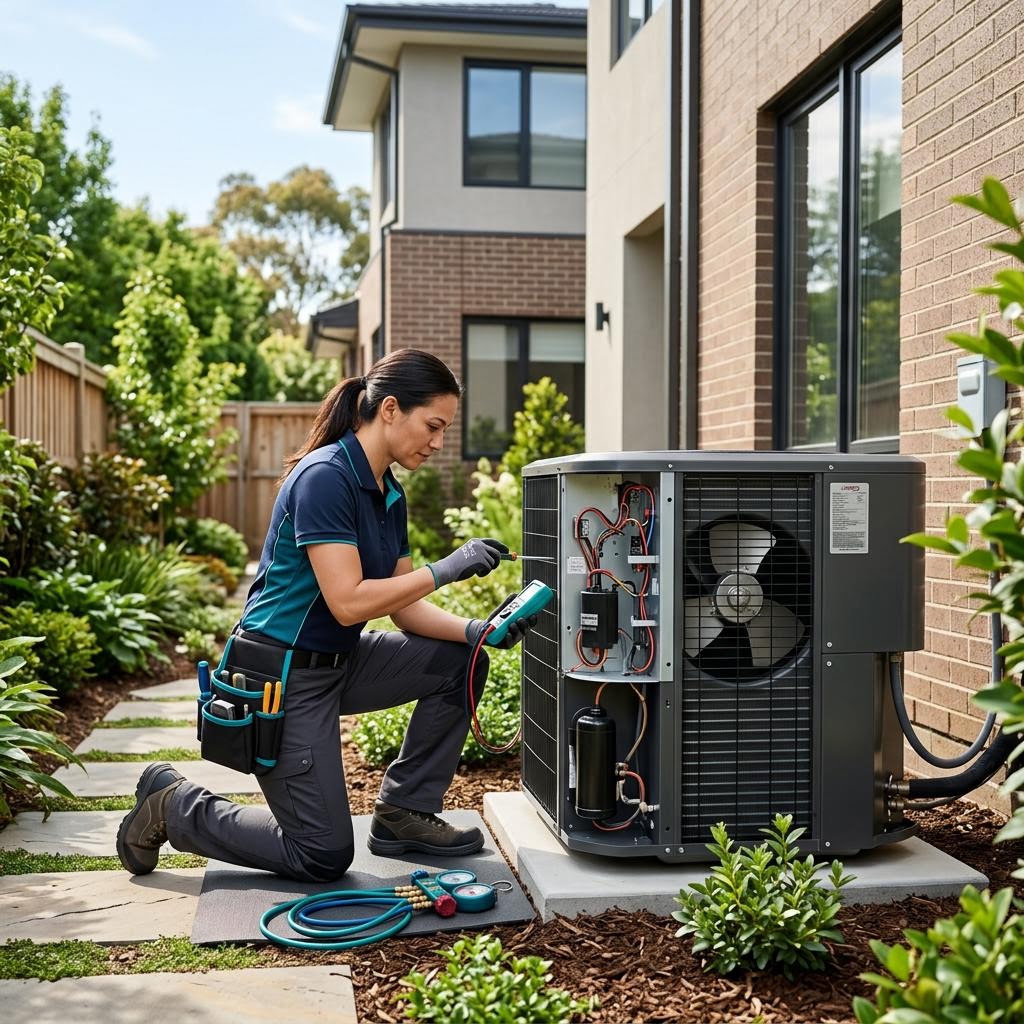
HVAC is one of the most competitive home services categories to buy leads in, and for good reason. A single system replacement can be worth thousands of dollars, maintenance agreements create recurring revenue, and demand spikes predictably with the weather. That combination attracts serious buyers, which means the contractors who win are the ones who understand what they are buying, how fast they respond, and how each lead type fits their business. This guide walks through what matters before you spend a dollar on HVAC leads.
Understand the job types behind the lead
Not every HVAC lead represents the same opportunity. Before you evaluate a source, get clear on which jobs you actually want to fill.
- Emergency service (no heat, no cool): High urgency, high close rate, time-sensitive. These often arrive as inbound calls.
- Repair and diagnostic: Moderate ticket, strong conversion when you respond quickly.
- System replacement: The highest-value job, frequently tied to financing and longer sales cycles.
- Maintenance and tune-ups: Lower immediate revenue but a gateway to recurring service agreements and future replacements.
A lead source that performs well for tune-ups may look weak if you judge it by replacement revenue. Match the lead type to the outcome you are trying to grow.
Seasonal demand shapes everything
HVAC demand is not steady. It surges during the first serious heat wave and the first hard freeze, then softens in the shoulder seasons. This affects both lead volume and lead cost.
| Season | Demand driver | Typical buyer behavior |
|---|---|---|
| Summer peak | Cooling failures | High call volume, aggressive bidding on exclusive leads |
| Winter peak | Heating failures | Emergency service dominates, fast response wins |
| Spring/fall | Maintenance, planned upgrades | Lower cost per lead, better window for replacement nurturing |
Smart contractors use shoulder seasons to book maintenance and pre-sell replacements, then lean into emergency and same-day work during peaks. Planning your budget around this calendar keeps you from overpaying when everyone is bidding at once.
Speed to lead decides most HVAC outcomes
When a homeowner has no cooling in August, they are calling the next contractor on the list the moment they lose patience. Speed to lead is not a nice-to-have in HVAC; it is often the deciding factor.
Set a five-minute standard for form leads
For form-fill leads, build a process that gets a human on the phone within five minutes. That usually means text-back automation, a dedicated intake person during peak season, and a CRM that routes new leads instantly.
Treat inbound calls as live opportunities
A qualified inbound call is a homeowner already on the phone describing their problem. Your job is to have trained staff ready to book the appointment, not send them to voicemail. Missed calls during a heat wave are lost revenue you cannot recover.
Know your numbers before you scale
The contractors who lose money on leads are usually the ones who never calculated what a lead is worth to them. Work backward from your economics.
- Average ticket: What does a typical won job pay you?
- Close rate: What percentage of contacted leads become jobs?
- Contact rate: What percentage of purchased leads do you actually reach?
- Lifetime value: Does the first job lead to maintenance plans and future replacements?
If your average replacement job is worth several thousand dollars and you close a healthy share of the leads you reach, you can justify a higher cost per lead than a competitor chasing only diagnostic calls. Let your own math set your ceiling, not the loudest sales pitch.
A simple checklist before you buy
- I know my average ticket by job type.
- I have a documented speed-to-lead process.
- I can measure contact rate and close rate by source.
- I know whether I want exclusive or shared leads.
- I have staff coverage for peak-season call volume.
Exclusive versus shared leads in HVAC
Shared leads are sold to multiple contractors, so you are competing to reach the homeowner first. They cost less per unit but demand near-instant response and strong phone skills. Exclusive leads are sold once, to you, which removes the race entirely and usually produces higher close rates.
For most established HVAC businesses with reliable intake staffing, exclusive form-fill leads and qualified inbound calls produce steadier economics. If you have a lean team, buying fewer exclusive leads you can actually work often beats buying a flood of shared leads you cannot answer fast enough.
Verify lead quality, not just lead volume
Volume is easy to sell; quality is what pays your bills. Before scaling any source, evaluate a sample against real outcomes.
- Are the contact details accurate and reachable?
- Does the stated service need match what the homeowner actually wants?
- Is there consent documentation supporting outbound contact?
- Does the source hold up over a few hundred leads, not just the first ten?
Track performance by source and cut what does not convert. A source that looks cheap but produces bad numbers is expensive.
Financing and the replacement conversation
The highest-value HVAC leads are system replacements, and financing often determines whether that job closes. A homeowner facing a several-thousand-dollar bill on short notice may hesitate at a cash price but move forward with a monthly payment they can absorb. If you buy replacement-intent leads, make sure your sales process leads with total comfort and options, not sticker shock.
When you evaluate replacement leads, look for signals of genuine intent: the age of the existing system, whether the unit has already failed, and whether the homeowner requested an estimate rather than a repair. Leads that combine a failed system with a financing-ready homeowner are worth paying more for, because they close at higher rates and larger tickets.
Turning one job into a customer relationship
The contractors who win the lead-buying game rarely look at a purchased lead as a single transaction. A well-run first visit becomes a maintenance agreement, and a maintenance agreement becomes the natural path to a replacement when the system finally gives out. That is why lifetime value, not the price of the first job, should anchor how much you are willing to spend to acquire a customer.
Build the follow-through into your operation. Offer a maintenance plan at the end of every service call, keep clean records so you can reach past customers at the right moment, and track which lead sources produce customers who stick rather than one-and-done jobs. A source that delivers slightly pricier leads but higher retention can be your most profitable channel over a full year.
How AIM helps
AIM is a lead exchange built for buyers who want performance they can measure. As a marketing technology platform that has generated millions of leads and processes 50,000+ calls monthly, AIM offers four premium lead products across three major industry groups: exclusive form-fill leads that arrive in real time, qualified inbound calls, warm transfers that connect you to homeowners already on the line, and scheduled appointments that drop into your calendar. For HVAC contractors, that mix lets you match spend to your staffing and seasonal demand, protect margin with exclusivity, and route every opportunity into your CRM the moment it arrives.
The takeaway
HVAC lead buying rewards preparation. Know your job types, plan around the seasonal calendar, respond in minutes, and let your own unit economics set your bid ceiling. Buy the lead types your team can actually work, verify quality against outcomes before scaling, and treat speed to lead as the discipline it is. Do that consistently, and purchased leads become a predictable growth channel rather than a gamble.
Frequently Asked Questions
What is a good cost per acquisition for HVAC leads?
It depends on your average ticket and close rate, but many contractors work backward from lifetime value rather than a fixed number. A replacement system with financing and a maintenance plan supports a higher acceptable CPA than a single diagnostic call.
Are exclusive HVAC leads worth the higher price?
Exclusive leads cost more per unit but remove the race against three or four other contractors calling the same homeowner. If your team answers quickly and your close rate is strong, exclusivity often improves blended economics.
How fast should I contact an HVAC lead?
Aim to reach form-fill leads within five minutes while intent is highest. For no-heat or no-cool situations, response speed is often the single biggest factor in whether you win the job.
Should I buy calls or form leads for HVAC?
Both have a place. Inbound calls and warm transfers tend to convert faster because the homeowner is already on the phone, while form leads can be more cost-efficient for scheduled tune-ups and less urgent replacement research.