
Roofing Leads: Storm Season, Financing, and Conversion Benchmarks
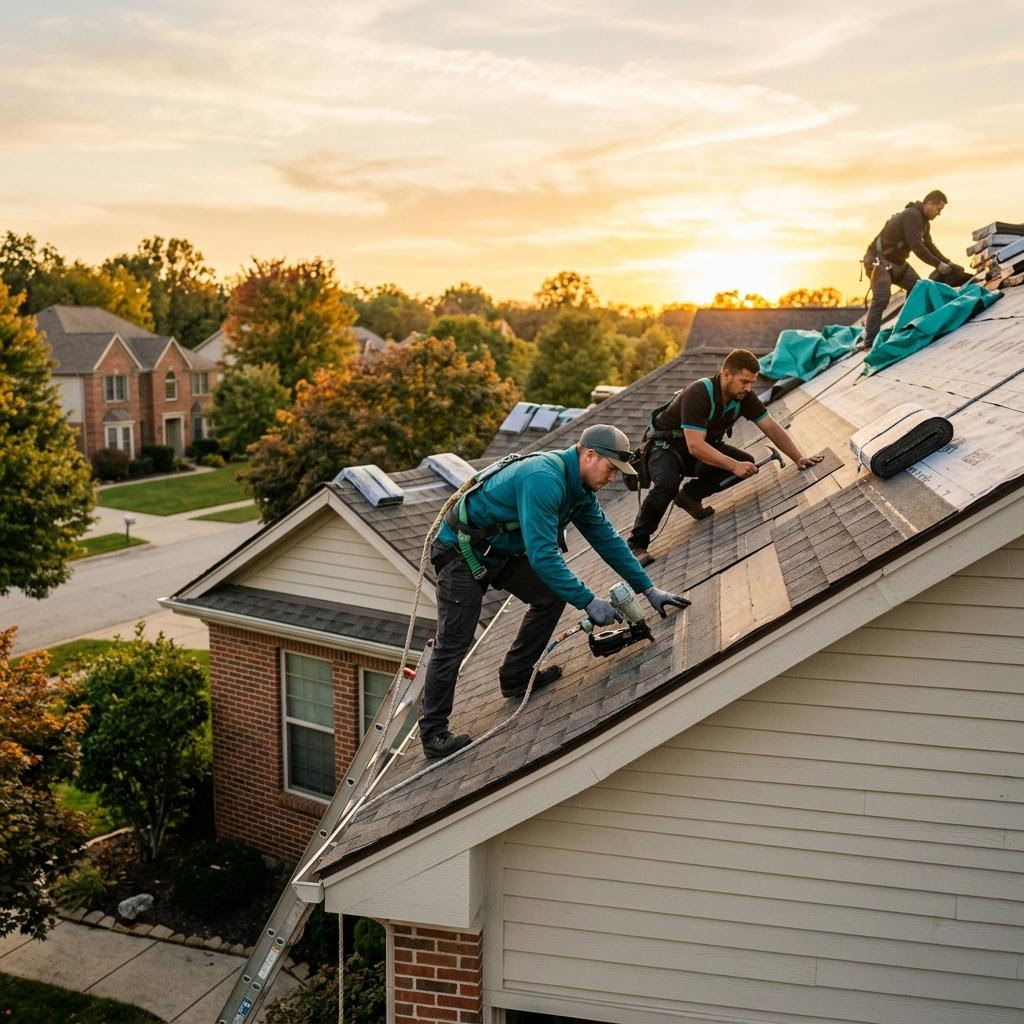
Roofing is a high-ticket, high-stakes category where lead economics swing dramatically with the weather. A single replacement can be worth many thousands of dollars, but competition intensifies the moment a storm rolls through and every contractor in the region starts bidding for the same homeowners. Buying roofing leads well means understanding storm-driven demand, the role of insurance and financing, and the conversion benchmarks that tell you whether your spend is working. This guide covers what roofing contractors should know before they buy.
Storm season sets the rhythm of demand
Roofing demand is heavily event-driven. Hail, high winds, and hurricanes create sudden waves of homeowners looking for inspections and repairs, and lead volume follows those weather patterns closely.
| Period | Demand driver | Buying dynamic |
|---|---|---|
| Active storm season | Hail, wind, hurricane damage | Volume surges, competition and prices rise |
| Post-storm recovery | Insurance claims, urgent repairs | High intent, claims coordination required |
| Off-season | Aging roofs, planned replacement | Lower cost per lead, longer sales cycle |
The mistake many contractors make is treating storm season as pure opportunity without planning capacity. When you cannot keep up with inspections, leads go cold and money is wasted. Plan crew and intake capacity before the storms arrive, and set a budget that lets you buy aggressively when demand peaks without blowing your economics.
Insurance claims versus retail replacement
Roofing leads generally fall into two buckets, and they behave very differently.
- Insurance-driven leads: The homeowner believes storm damage may be covered. These involve claims documentation, adjuster coordination, and timelines you do not fully control. Close rates can be strong, but the sales cycle is longer and depends on the claim outcome.
- Retail replacement leads: The homeowner is paying out of pocket for an aging or failing roof. You control pricing, financing, and timeline directly, which makes these predictable but often more price-sensitive.
Neither is inherently better. What matters is that you track them separately, because blending their metrics hides which channel is actually profitable for your business.
Financing turns hesitation into signed contracts
A roof is one of the largest unplanned expenses a homeowner faces. For retail replacements especially, financing frequently determines whether the deal closes. Presenting a manageable monthly payment alongside the total price keeps the conversation moving instead of stalling at the number.
When you buy replacement-intent leads, prioritize your sales process around options and comfort. The homeowner who was quoted a single large figure by a competitor is often winnable if you lead with financing and a clear scope of work.
Speed to lead and the first inspection
The contractor who books the inspection first usually wins the job. After a storm, homeowners contact several companies, and the first credible one on the roof sets the terms of the conversation.
Respond in minutes, not hours
Get a human on the phone with form-fill leads within five minutes. For inbound calls, have staff ready to schedule the inspection immediately rather than promising a callback that may never win the race.
Make the inspection the conversion event
Your goal on the first contact is not to sell the roof; it is to set the inspection. A booked, confirmed inspection is where trust is built and where most roofing sales are actually made.
Conversion benchmarks you should track
There is no universal roofing conversion rate, because it depends on lead type, exclusivity, region, and your own sales discipline. Instead of chasing someone else's number, build your own baseline and improve it.
- Contact rate: Percentage of purchased leads you actually reach.
- Set rate: Percentage of contacted leads that book an inspection.
- Inspection-to-contract rate: Percentage of inspections that become signed jobs.
- Cost per acquisition: Total lead spend divided by jobs won, by source.
- Average ticket by lead type: Insurance versus retail.
Track these by source and by lead type. When you can see where deals fall out of the funnel, you know whether to fix your intake speed, your inspection process, or your lead source.
Exclusive versus shared roofing leads
Shared leads are sold to multiple contractors, so you are racing several competitors to the same homeowner. They are cheaper per unit but reward only the fastest and most persistent callers. Exclusive leads are sold once, giving you a clean shot at booking the inspection without a race.
Given the high ticket value of a roof, even a modest lift in close rate from exclusivity can more than cover the price difference. Most established roofers find that exclusive form-fill leads and qualified inbound calls produce steadier, more forecastable revenue than a large volume of shared leads they cannot all reach in time.
Verify quality before you scale
A cheap lead that never answers the phone is expensive. Before scaling any source, run a meaningful sample and judge it against outcomes, not promises.
- Are the contact details accurate and reachable?
- Does the stated storm or roof issue match reality on inspection?
- Is consent documentation in place for outbound follow-up?
- Does the source perform across hundreds of leads, not just the first handful?
Building trust in a category with a bad reputation
Roofing has more than its share of storm-chasers and fly-by-night operators, and homeowners know it. That skepticism affects every lead you buy: even a high-intent homeowner may be wary. The contractors who convert best treat trust as part of the sales process, not an afterthought.
Show up on time for the inspection, document damage with photos, explain the scope in plain language, and provide clear written estimates. Licensing, insurance, and local references matter more in roofing than in almost any other home service. When you convert a purchased lead, you are often overcoming a bad experience the homeowner had with someone else, and professionalism is what tips the decision your way.
Matching your budget to your crews
It is easy to overspend on leads during a storm surge and then discover you cannot inspect or install fast enough to keep up. Leads that sit for days go cold, and you have paid for demand you could not serve. The fix is to tie lead spend to real capacity.
Before storm season, know how many inspections your team can perform per day and how many installs your crews can complete per week. Buy leads to fill that capacity, then expand spend only as you add crews or intake staff. This keeps your speed to lead fast and your conversion rates high, instead of drowning in leads you cannot work.
How AIM helps
AIM is a lead exchange for buyers who want measurable performance. As a marketing technology platform that has generated millions of leads and processes 50,000+ calls monthly, AIM offers four premium lead products across three major industry groups: exclusive form-fill leads delivered in real time, qualified inbound calls, warm transfers that connect you to homeowners already on the line, and scheduled appointments that land on your calendar. For roofers, that mix lets you scale intake during storm surges, protect close rates with exclusivity, and keep every opportunity flowing into your CRM so no post-storm lead goes cold.
The takeaway
Roofing lead buying rewards capacity planning and disciplined measurement. Anticipate storm-driven surges, keep insurance and retail leads in separate columns, lead your sales conversations with financing, and book the inspection fast. Build your own conversion benchmarks by source, favor exclusivity where the ticket justifies it, and verify quality before you scale. Handle those fundamentals and roofing leads become a reliable engine rather than a seasonal scramble.
Frequently Asked Questions
How does storm season affect roofing lead costs?
Demand and competition spike after major weather events, which can push lead prices up quickly. Contractors who plan capacity and budget ahead of storm season are better positioned to buy efficiently when volume surges.
Should roofers buy insurance-claim leads or retail leads?
Both convert differently. Insurance-driven leads often involve claims coordination and longer timelines, while retail replacement leads let you control pricing and financing directly. Many contractors run a mix and track each separately.
What conversion rate should I expect on roofing leads?
There is no single benchmark because it varies by lead type, exclusivity, and your sales process. The more useful practice is to establish your own baseline by source and improve contact rate and set-rate over time.
Are exclusive roofing leads worth it?
Exclusive leads remove head-to-head competition on the same homeowner and usually raise close rates. Given the high ticket value of a roof replacement, the improved conversion often justifies the higher per-lead cost.