
Windows and Doors Leads: Big-Ticket Home Improvement Buying Guide
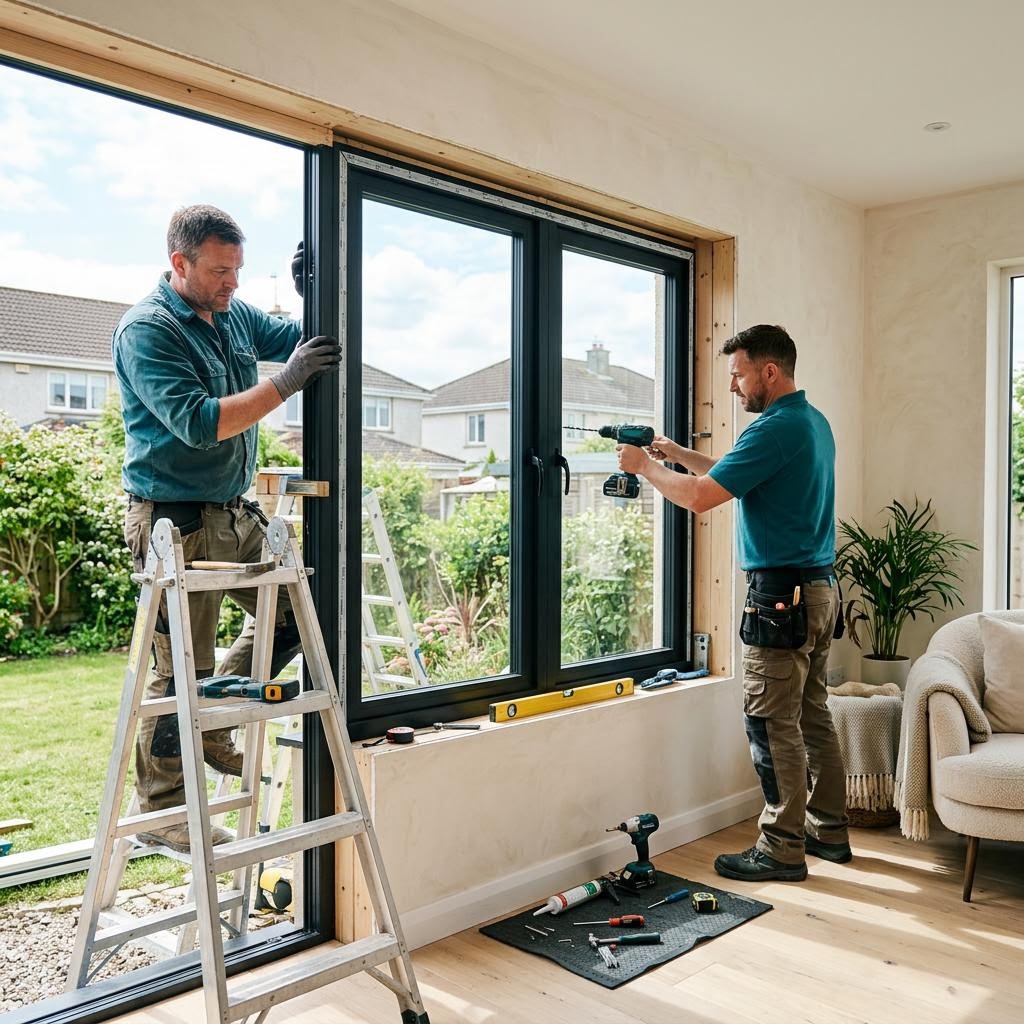
Windows and doors sit at the high-ticket, considered end of home improvement. A full replacement project can run into five figures, the decision usually involves more than one person, and the sale is made face to face during an in-home consultation. That changes the lead-buying playbook entirely. Speed still matters, but the real conversion event is a qualified appointment with both decision-makers present and financing on the table. Buying leads well in this category means screening hard, favoring appointment-based products, and protecting a budget where each acquisition is expensive but each sale is large. This guide covers how.
The sale happens in the home
Unlike an emergency service call, a windows and doors sale is rarely closed on the phone. The homeowner wants to see samples, discuss options, understand the project scope, and talk numbers with a consultant in their living room. That makes the in-home consultation the pivotal event.
This has a direct implication for buying: your objective on first contact is to set a qualified, confirmed appointment, not to sell the project. Everything about how you evaluate leads should ladder up to how efficiently they become held appointments that convert.
What qualifies a strong lead
Big-ticket home improvement stalls for predictable reasons. Screen for the signals that keep a project moving.
| Signal | Why it matters |
|---|---|
| Homeownership | Renters cannot authorize the work |
| Genuine project intent | Casual browsers waste consultation time |
| Both decision-makers available | Missing a spouse or partner stalls the close |
| Financing readiness | Large projects often depend on monthly payments |
| Reasonable timeline | Projects years out rarely convert now |
The more of these a lead carries, the more efficiently it becomes a held appointment and a signed contract. A lead missing several of them can consume a full consultation and still go nowhere.
Decision-makers present is the quiet dealbreaker
The most common reason a strong-looking windows lead fails to close is that only one decision-maker is home. Confirming both parties will be present when you set the appointment is one of the highest-leverage things you can do to protect your conversion rate.
Scheduled appointments fit this category best
Because the sale happens in the home, appointment-based buying aligns your spend with the actual conversion event.
- Scheduled appointments deliver a confirmed time with a qualified homeowner, moving you much closer to revenue than a raw lead.
- Exclusive form-fill leads give you room to qualify and set the appointment without competing against several companies on price.
- Warm transfers connect you to an interested homeowner already on the phone, shortening the path to a booked consultation.
For most window and door businesses, weighting toward scheduled appointments and exclusive leads produces steadier economics than chasing shared leads.
Financing turns big numbers into yes
A whole-home window replacement is a large, often unplanned expense. Monthly payment options frequently decide whether the homeowner moves forward. Lead your consultation with total value and financing rather than the raw sticker price, and you keep the conversation alive where a cash-only pitch would end it.
When you buy replacement-intent leads, make sure your consultants are trained to present financing early and confidently. The homeowner who balked at a competitor's lump-sum quote is often winnable with the right payment structure.
Speed to lead still books more appointments
Even in a considered category, the first credible company to reach the homeowner sets the appointment and frames the comparison. Reach form-fill leads within five minutes with a live person, and treat warm transfers as live opportunities. The goal of fast contact here is not an instant sale; it is locking in a confirmed appointment before a competitor does.
Protect your budget with a checklist
Because each lead is expensive, discipline matters more than volume.
- Homeowner, not renter
- Genuine project intent confirmed
- Both decision-makers will be present
- Financing readiness assessed
- Timeline is near-term, not someday
- Consent documentation supports outbound contact
- Appointment confirmed and reminded to reduce no-shows
Product breadth widens the conversation
Windows and doors buyers rarely stop at a single opening. A homeowner replacing failing windows in one room often has aging patio doors, an entry door, or additional windows they have been meaning to address. Consultants who explore the whole home during the visit convert larger projects and improve the economics of every lead they bought.
Train your team to walk the property, ask about future plans, and present a phased approach when a full replacement is not immediately affordable. Even a homeowner who starts with a few openings can become a multi-phase customer over several years, which raises the lifetime value that justifies your lead spend. Thinking in terms of the whole home, rather than the single opening that prompted the inquiry, is one of the clearest ways to turn an expensive lead into a profitable one.
The KPIs that matter
Track the funnel from lead to signed contract, by source.
- Contact rate: Percentage of leads you reach.
- Appointment-set rate: Percentage of contacts that book a consultation.
- Held rate: Percentage of set appointments that actually happen.
- Close rate: Percentage of held appointments that sign.
- Cost per acquisition: Lead spend divided by signed jobs, by source.
Held rate is easy to overlook and expensive to ignore. A source that sets appointments that never happen is not saving you money. Confirm and remind aggressively.
Reducing no-shows and cancellations
In a category built on in-home appointments, the no-show is the silent budget killer. You paid to acquire the lead, invested staff time to set the appointment, and dispatched a consultant, only to arrive at an empty house. Every no-show inflates your true cost per sale.
Fight it with a confirmation rhythm: confirm the appointment when it is set, remind the day before, and remind again the morning of. Reconfirm that both decision-makers will be present each time. A short, professional confirmation call also lets you re-qualify and reschedule rather than lose the slot. Operators who take held rate seriously often find it is the cheapest conversion improvement available, because it costs almost nothing and directly multiplies the value of leads they already bought.
Matching consultant capacity to lead flow
Because each consultation is a scheduled, in-person event, your lead flow has to match how many appointments your consultants can actually run. Buy more leads than your team can visit and appointments pile up, get pushed out, and go cold before anyone arrives.
Know your weekly appointment capacity and buy to fill it, then expand spend as you add consultants. This keeps your speed to lead fast, your held rate high, and your cost per acquisition under control instead of paying for demand you cannot serve.
How AIM helps
AIM is a lead exchange built for buyers who want measurable performance. As a marketing technology platform that has generated millions of leads and processes 50,000+ calls monthly, AIM offers four premium lead products across three major industry groups: exclusive form-fill leads delivered in real time, qualified inbound calls, warm transfers that connect you to interested homeowners, and scheduled appointments booked to your calendar. For windows and doors sellers, that mix lets you buy against the in-home consultation that actually closes deals, protect margin with exclusivity, and route every appointment into your CRM so no expensive opportunity slips.
The takeaway
Windows and doors is a category where qualification and appointments beat raw volume. The sale happens in the home, so buy against confirmed, qualified consultations with both decision-makers present and financing ready. Favor scheduled appointments and exclusive leads over shared price wars, respond fast to lock in the appointment, and watch held rate as closely as set rate. Handle those fundamentals and a high cost per lead turns into consistently profitable, big-ticket sales.
Frequently Asked Questions
Why are scheduled appointments so valuable for windows and doors?
Because the sale usually happens during an in-home consultation. A confirmed appointment with a qualified homeowner is much closer to revenue than a raw lead, which is why appointment-based buying suits this category well.
What qualifies a good windows and doors lead?
Homeownership, a genuine project intent, both decision-makers available, and financing readiness. Big-ticket home improvement stalls when a spouse is absent or the budget is not there, so screening for these signals protects your consultation time.
Should I buy exclusive or shared windows leads?
Given the high ticket and long consultative sale, exclusive leads and scheduled appointments generally convert better than shared leads, where you compete on price against several companies for the same homeowner.
How important is financing in this category?
Very. Replacement windows and doors are a large expense, and monthly payment options frequently determine whether the homeowner moves forward. Lead your consultation with total value and financing, not just the sticker price.